
Software Development Task Management: A Complete Guide to Delivering Better Software Projects
Successful software projects are not built by coding alone. They are the result of proper planning, clear communication, organized workflows, and efficient collaboration among developers, designers, testers, and project managers. This is where software development task management becomes an essential part of every development process.
Whether you’re building a mobile application, enterprise software, SaaS platform, or a custom web application, managing tasks effectively helps teams stay productive, reduce delays, and deliver high-quality solutions on time.
In this guide, you’ll learn what software development task management is, why it matters, the best practices to follow, common challenges, and how businesses can benefit from investing in the right development approach.
Table of Contents
What Is Software Development Task Management?
Why Task Management Matters in Software Development
Key Components of Software Development Task Management
Benefits of Effective Task Management
Best Practices for Managing Software Development Tasks
Common Challenges and How to Overcome Them
Should You Develop Task Management Software for Your Business?
Choosing the Right Software Development Partner
Conclusion
FAQs
What Is Software Development Task Management?
Software development task management is the process of planning, assigning, tracking, prioritizing, and completing tasks throughout the software development lifecycle.
Instead of handling projects as one large objective, development teams divide work into smaller, manageable tasks. Each task has:
A clear objective
Assigned team members
Defined deadlines
Priority level
Progress status
Dependencies
Expected deliverables
This structured approach allows teams to monitor progress efficiently while ensuring every phase of development moves forward smoothly.
From requirement gathering to deployment and maintenance, task management keeps projects organized and transparent.
Why Task Management Matters in Software Development
Software projects often involve multiple teams working simultaneously. Developers write code, UI/UX designers create interfaces, testers validate functionality, and project managers coordinate timelines.
Without an organized task management system, projects can quickly face problems such as:
Missed deadlines
Duplicate work
Poor communication
Delayed releases
Unclear responsibilities
Budget overruns
A well-defined task management process ensures everyone understands what needs to be done and when it should be completed.
It also provides real-time visibility into project progress, making it easier to identify bottlenecks before they impact delivery.
Key Components of Software Development Task Management
An effective task management process includes several essential elements.
Project Planning
Every successful project starts with detailed planning.
Teams identify project goals, define milestones, estimate timelines, and allocate available resources before development begins.
Proper planning reduces uncertainty and creates a roadmap for the entire project.
Task Breakdown
Large software projects become easier to manage when divided into smaller tasks.
Examples include:
UI design
Database development
API integration
Authentication module
Testing
Documentation
Deployment
Breaking work into manageable units improves productivity and accountability.
Task Assignment
Each task should have a clearly assigned owner.
When responsibilities are well-defined, team members know exactly what they need to complete without confusion.
This improves collaboration while preventing duplicated efforts.
Priority Management
Not every task has the same importance.
High-priority features should be completed before secondary improvements.
Teams often categorize tasks into:
High Priority
Medium Priority
Low Priority
Prioritization helps maintain focus on business-critical objectives.
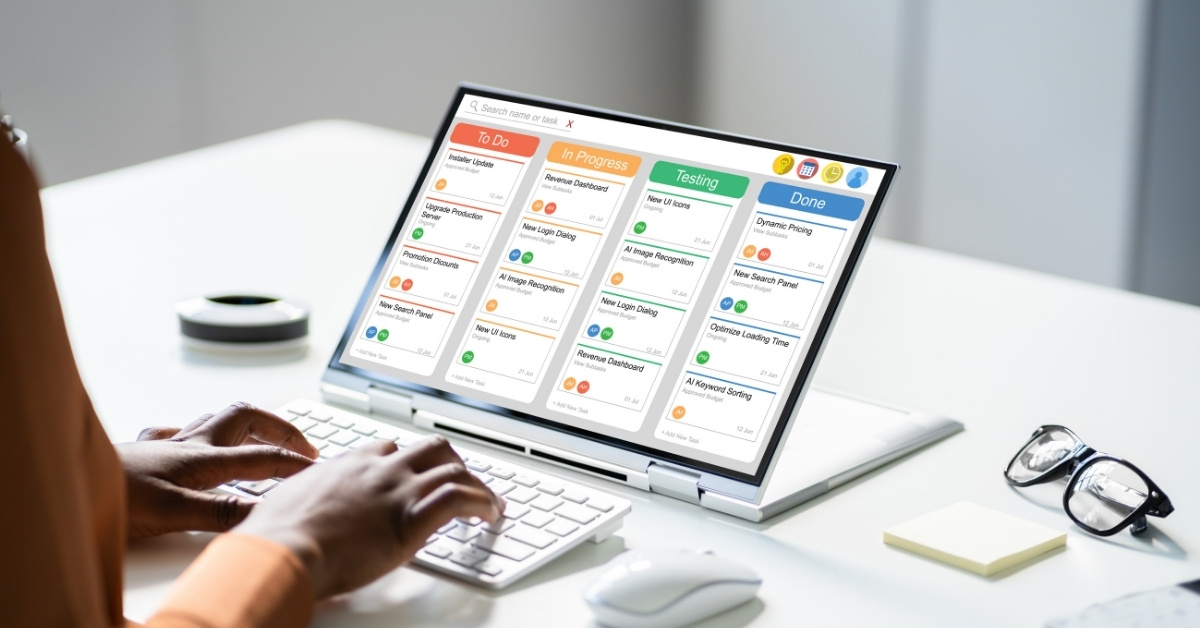
Progress Tracking
Tracking task progress keeps projects on schedule.
Common task statuses include:
To Do
In Progress
Under Review
Testing
Completed
Real-time updates allow project managers and stakeholders to monitor development without constant meetings.
Collaboration
Modern software development requires continuous communication.
Developers, QA engineers, business analysts, and clients often collaborate using shared documentation, comments, file sharing, and sprint reviews.
Effective collaboration minimizes misunderstandings and accelerates project delivery.
Benefits of Effective Software Development Task Management
Organizations that implement structured task management experience several long-term benefits.
Improved Productivity
Developers spend less time figuring out what to do next and more time building valuable features.
Clear priorities help eliminate unnecessary interruptions.
Better Team Collaboration
Everyone works toward shared goals with complete visibility into project progress.
This creates stronger coordination between technical and non-technical teams.
Faster Project Delivery
Organized workflows reduce delays caused by confusion, dependency issues, or incomplete requirements.
Projects move through development stages more efficiently.
Higher Software Quality
Task tracking includes testing, code reviews, bug fixing, and quality assurance.
As a result, fewer issues reach production.
Better Resource Management
Managers gain a clear understanding of team capacity, workload distribution, and project timelines.
This prevents employee burnout while improving overall efficiency.
Increased Transparency
Clients and stakeholders receive regular updates about project status without relying on manual reports.
Transparent communication builds trust throughout the development process.
Best Practices for Software Development Task Management
Every development team follows different workflows, but several proven practices consistently improve project outcomes.
Define Clear Requirements
Unclear requirements often lead to rework and delays.
Before assigning tasks, ensure everyone understands the project’s objectives, expected functionality, and business goals.
Break Large Features into Smaller Tasks
Smaller tasks are easier to estimate, monitor, and complete.
They also simplify sprint planning and improve development accuracy.
Set Realistic Deadlines
Overly aggressive timelines reduce quality and increase stress.
Estimate task durations based on complexity, available resources, and potential risks.
Review Progress Regularly
Daily stand-up meetings, sprint reviews, or weekly progress discussions help identify blockers early.
Regular reviews keep projects aligned with business objectives.
Encourage Team Communication
Open communication helps resolve technical challenges quickly.
Collaboration between developers, testers, and designers leads to better software.
Measure Performance
Track project metrics such as:
Sprint completion rate
Bug resolution time
Task completion percentage
Development velocity
Release frequency
These insights support continuous improvement.
Common Challenges in Software Development Task Management
Even experienced teams encounter challenges during software projects.
Changing Requirements
Business needs evolve throughout development.
Agile methodologies help teams adapt without disrupting the entire project.
Poor Task Prioritization
Working on low-value tasks before critical features can delay releases.
Regular backlog refinement keeps priorities aligned.
Communication Gaps
Incomplete documentation or unclear expectations often create misunderstandings.
Using centralized communication channels helps maintain consistency.
Resource Constraints
Limited developers or overlapping projects can impact delivery schedules.
Proper workload planning helps balance team capacity.
Lack of Visibility
Without real-time tracking, managers struggle to understand project progress.
Modern task management solutions provide dashboards that improve decision-making.
Should You Develop Task Management Software for Your Business?
Many organizations rely on third-party project management tools. However, businesses with unique workflows may benefit from choosing to develop task management software tailored to their operational needs.
A custom solution can provide:
Workflow automation
Role-based access control
Team collaboration features
Time tracking
Project dashboards
Custom reporting
Document management
API integrations
Notification systems
Business-specific approval processes
Unlike generic platforms, custom software aligns with your organization’s processes, helping teams work more efficiently while supporting future growth.
If your business has specialized requirements or manages multiple departments, investing in custom task management software can improve productivity and provide greater flexibility over time.
Choosing the Right Software Development Partner
The success of any task management solution depends on the expertise of the development team behind it.
A reliable software development agency understands business processes before writing code. They focus on scalability, security, user experience, and long-term maintainability while delivering solutions tailored to your goals.
As an experienced IT solutions provider, TecOptima Business Solution delivers customized software development service solutions that help businesses automate operations, streamline workflows, and improve team collaboration. From project planning to deployment and ongoing support, the right technology partner ensures your software continues to deliver value as your business evolves.
Build Smarter Software Projects with Effective Task Management
Effective software development task management is more than organizing to-do lists—it creates a structured environment where teams collaborate efficiently, reduce delays, and deliver high-quality software consistently.
Whether you’re managing a startup application or a large-scale enterprise platform, investing in the right processes and tools can significantly improve productivity and project outcomes. For organizations with specialized workflows, custom task management solutions provide the flexibility needed to support long-term growth and operational excellence.
If you’re planning to build a tailored task management platform, partnering with an experienced software development agency like TecOptima Business Solution can help transform your ideas into scalable, reliable software.
Frequently Asked Questions (FAQs)
1. What is software development task management?
Software development task management is the process of organizing, assigning, tracking, and completing tasks throughout the software development lifecycle to ensure projects are delivered efficiently and on schedule.
2. Why is task management important in software development?
Task management improves collaboration, increases productivity, reduces project delays, enhances software quality, and provides better visibility into project progress.
3. Can businesses develop task management software instead of using existing tools?
Yes. Businesses with unique workflows or industry-specific requirements often choose to develop task management software that aligns with their operations, integrates with existing systems, and supports future scalability.
4. What features should task management software include?
Common features include task assignment, progress tracking, project dashboards, collaboration tools, notifications, file sharing, reporting, workflow automation, user permissions, and third-party integrations.
5. How does Agile improve software development task management?
Agile breaks projects into smaller iterations, enabling teams to prioritize work, respond quickly to changing requirements, improve collaboration, and deliver value more frequently.
6. How do I choose the right software development company for a custom task management solution?
Look for a company with experience in custom software development, a strong project portfolio, transparent communication, scalable development practices, ongoing support, and expertise as an IT solutions provider that understands your business goals.